
Colonoscopy in Pune
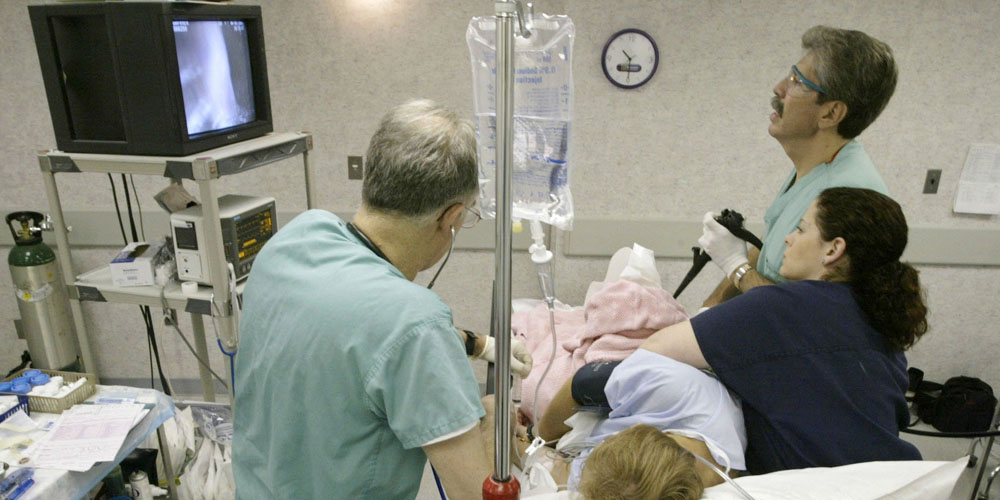
A colonoscopy is a procedure that lets your health care provider check the inside of your entire colon (large intestine). The procedure is done using a long, flexible tube called a colonoscope. The tube has a light and a tiny camera on one end. It is put in your rectum and moved into your colon.
Why would I need a colonoscopy?
A colonoscopy may be preventive, diagnostic or therapeutic — and often, it’s all of these. Your healthcare provider may advise you to have a colonoscopy for routine cancer screening if you’re at a statistically higher risk of developing colorectal cancer. Since anyone can have colorectal cancer at any time without warning or symptoms, screening is the best way to stay ahead of it. While screening, your gastroenterologist may also remove suspicious tissues for testing and prevention.
One benefit of endoscopic procedures like colonoscopy is that if your endoscopist finds a problem during the procedure, they might be able to treat it at the same time. Endoscopists receive training to perform minor procedures with special tools that they pass through the endoscope. During a colonoscopy, they commonly remove any polyps (abnormal growths) that they find and test them for cancer. Removing polyps also prevents possible cancer from developing or spreading.
Book an Appointment